
Ribbed floors without adhesive.
How stiff does a connection need to be?
Adhesive bonding maximises connection stiffness. However, how well a ribbed floor performs depends on the system as a whole: cross-sectional shape, span, effective width, and the stiffness of the floor-to-rib connection.
The white paper and test report on SHARP METAL performance in ribbed floors link the parameters declared in ETA-24/0058 to the behaviour of real ribbed floor elements through experimental testing on European and North American timber, Eurocode 5 design, and FEM modelling.
The question is not which connection is the stiffest.
The question is which system delivers the required floor performance using the process best suited to the project. Adhesive bonding is a highly effective structural solution, but connection stiffness is only one part of the equation. Production time, available space, environmental conditions, surface preparation, quality control, finishing and logistics also matter.
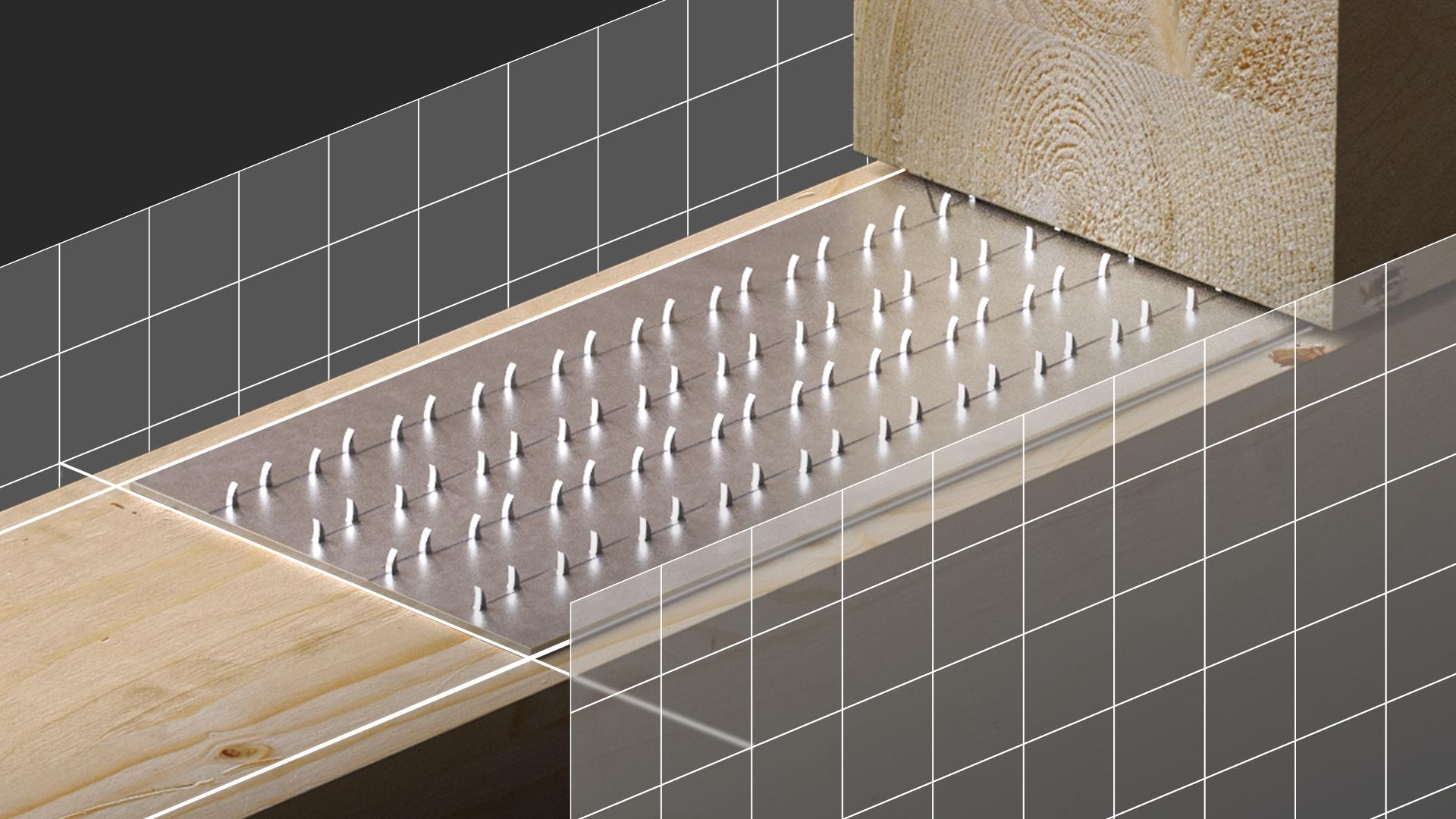
SHARP METAL is designed to achieve the floor performance normally obtained with adhesive bonding through a dry mechanical connection.
No adhesive. No waiting. No controlled installation environment.
After bonding, the floor structure must be stored until the adhesive has cured sufficiently under the specified temperature and humidity conditions. With SHARP METAL, no surface preparation is required to ensure adhesion, and there is no risk of adhesive spilling onto exposed ribs.
No adhesive curing stage
No specific temperature and humidity control for the bonding process
No surface preparation for adhesion
No adhesive runoff on exposed surfaces
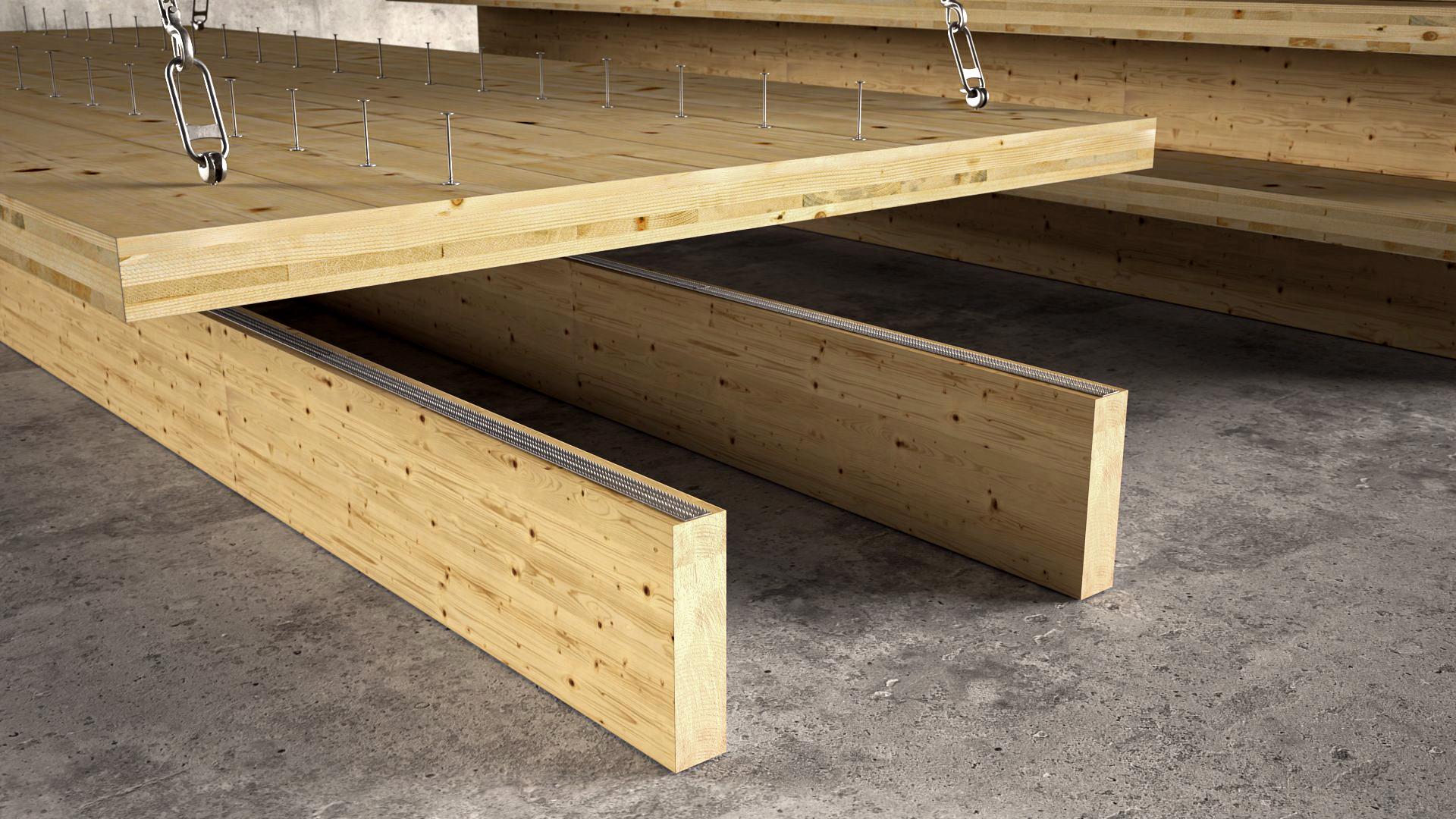
From ETA certification to real floor performance
The ETA certification obtained in 2025 was the starting point. The new documents show how SHARP METAL performs within a complete ribbed floor system, including both analytical and experimental comparisons between SHARP METAL and adhesive bonding.
The test report documents the experimental campaign, while the white paper translates the results into practical design guidance through analytical comparison, structural design and FEM modelling.
The connector data has been linked to the response of the entire structural system.
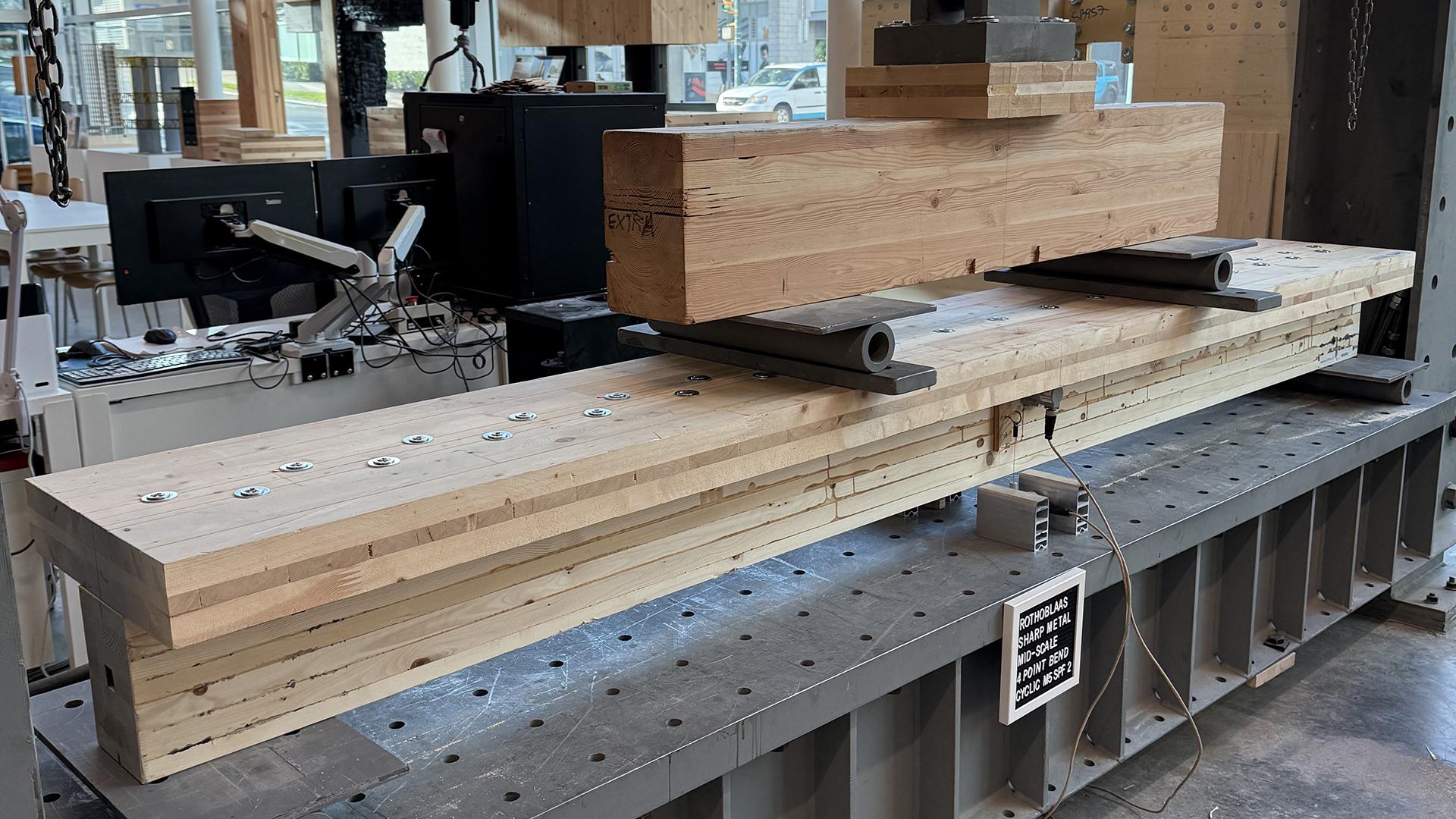
Where structural design is really determined: Serviceability Limit States.
SHARP METAL delivers performance much closer to adhesive bonding than to screws alone.
In the tested configurations, at deflection levels representative of the Serviceability Limit State (SLS):
• the load achieved with SHARP METAL is approximately 80% higher than with a screw-only solution;
• compared with the bonded solution, the difference is around 16%, in terms of the load corresponding to the same deflection.
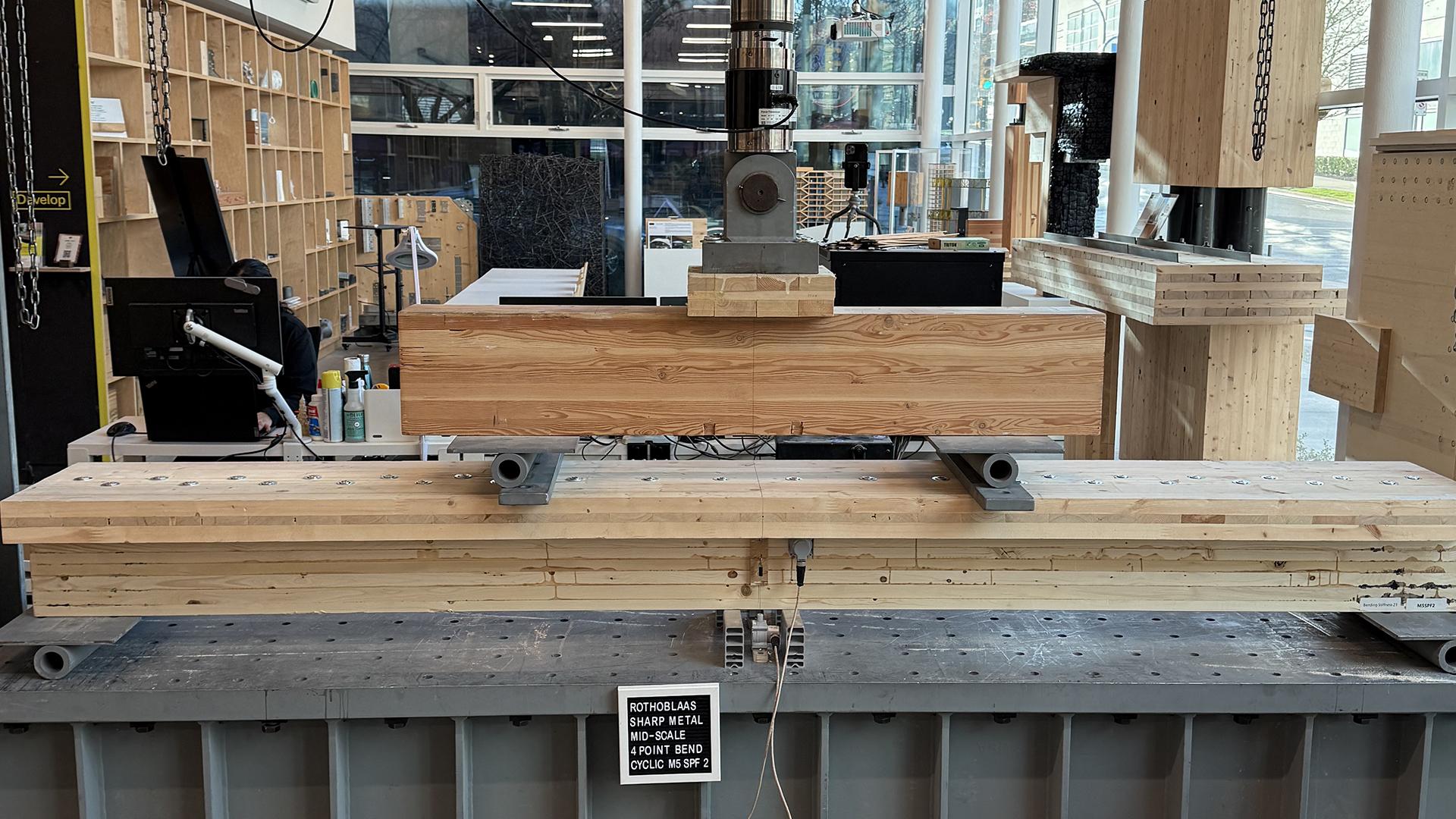
Full-scale testing shows that failure is governed by the timber elements in both the bonded solution and SHARP METAL. Thanks to its ability to redistribute stresses, SHARP METAL provides a more gradual and ductile structural response.
Almost the same amount of timber
The data shows that the lower local stiffness of SHARP METAL does not translate into a proportional increase in section size or timber volume in real design applications.
The white paper compares 20 configurations with spans from 6 to 12 m, CLT floor structures from 60 to 120 mm, ULS/SLS and vibration checks, and ribs selected in standard 40 mm size increments.
In 11 out of 20 configurations, the same standard rib depth can be maintained. In the remaining 9, only one additional 40 mm timber layer is required, resulting in a maximum timber volume increase of just 7%.
-image-1920x1080-crop.jpg)
Lower connection stiffness. Almost the same amount of timber.
The white paper compares 20 ribbed floor design configurations, including Ultimate Limit State (ULS), Serviceability Limit State (SLS) and vibration checks. What it shows:
80% higher load capacity
compared with a screw-only solution at the SLS deflection levels analysed
16% difference
compared with adhesive bonding at the same deflection, in the tested configurations.
11 out of 20 configurations
maintain the same standard timber section. In the remaining 9, only one additional 40 mm timber layer is required
2% average increase
in timber volume across the configurations analysed, with a maximum increase of 7%
Everything you need to assess, calculate and design.
Experimental evidence, practical design guidance and operational tools to bring a dry mechanical connection into a real project.
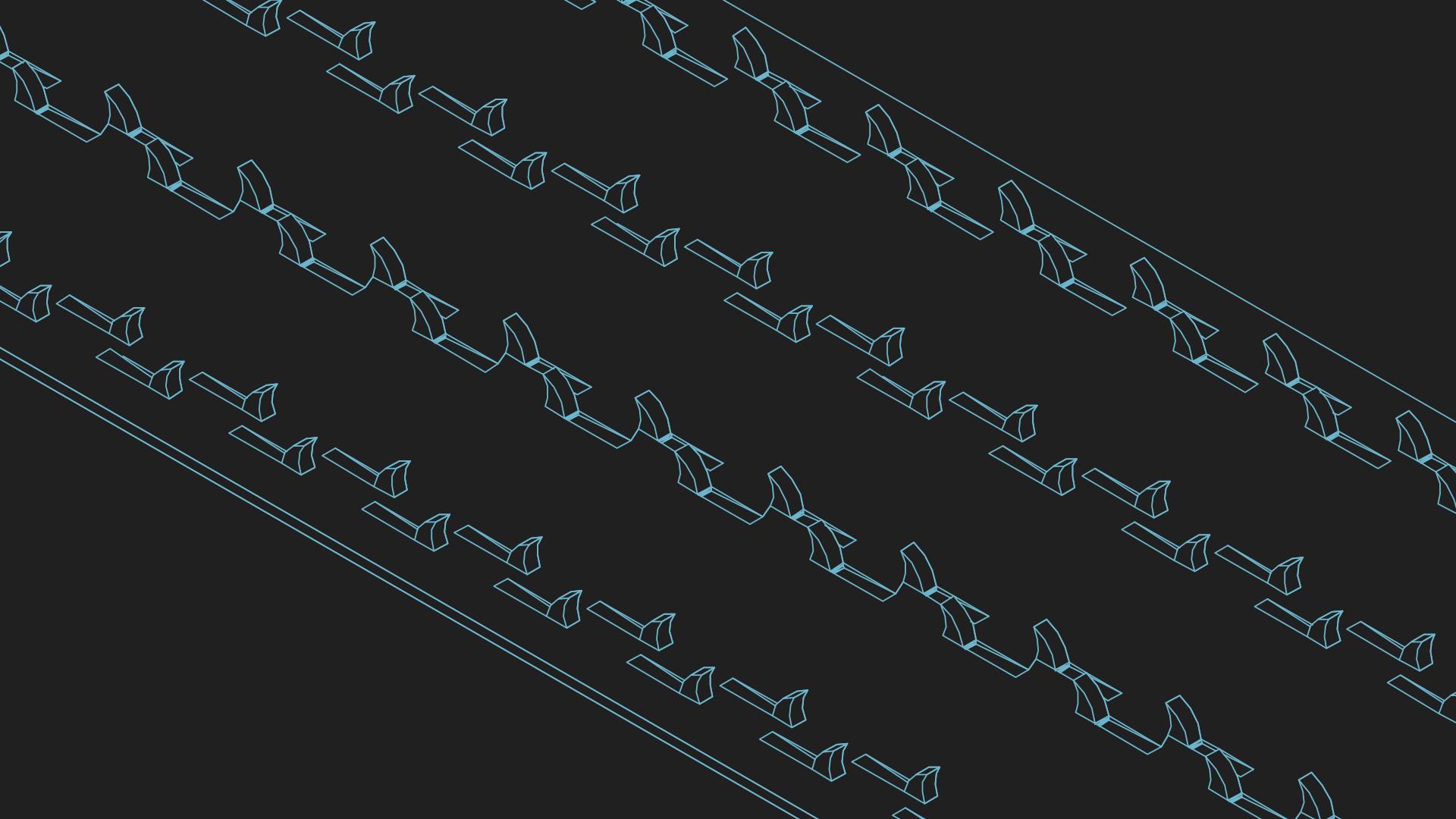
From connector to ribbed floor
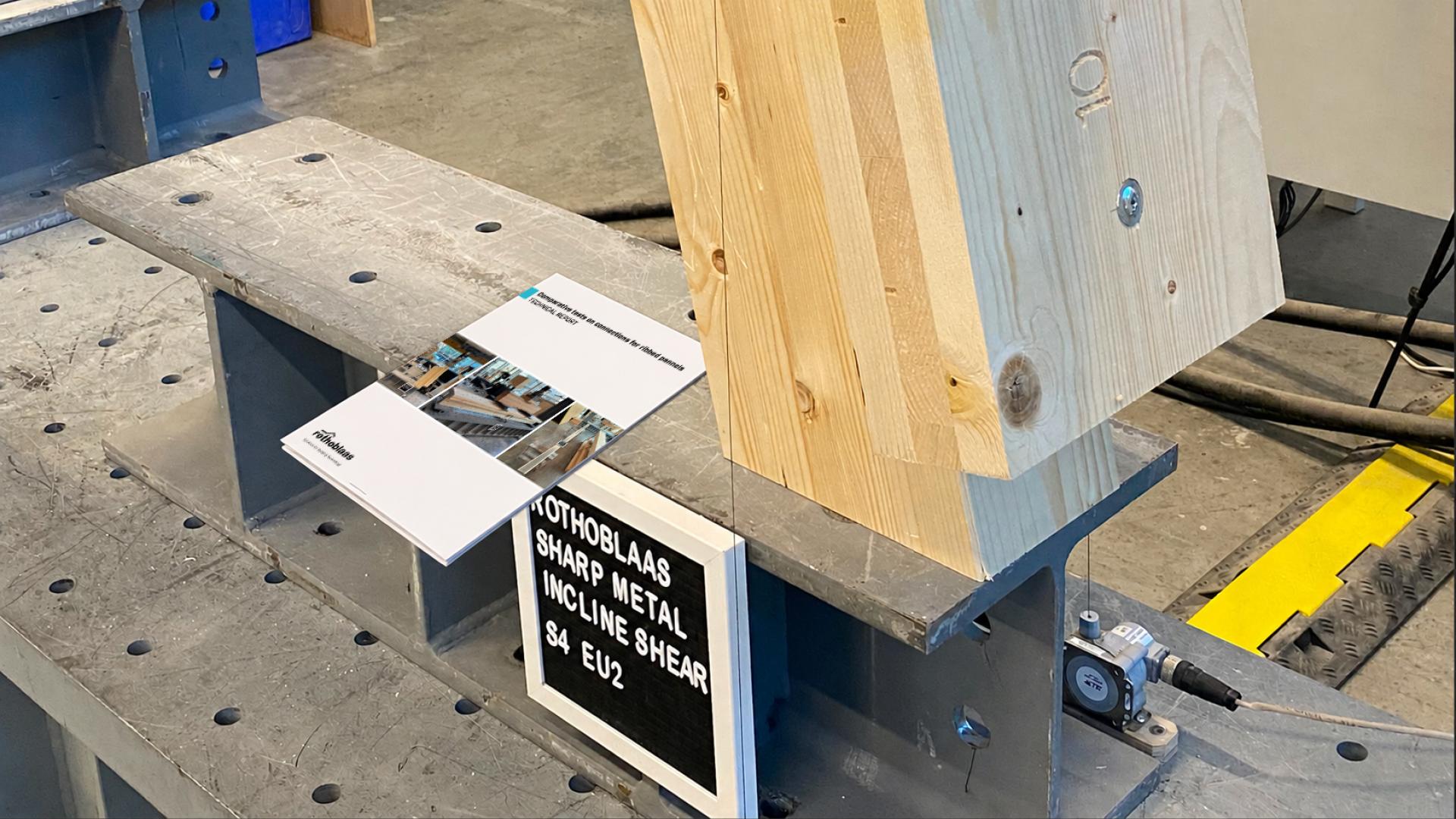
The complete experimental campaign
Spreadsheet
References and further reading
The system: connector, screws and tools
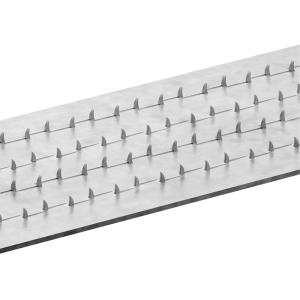
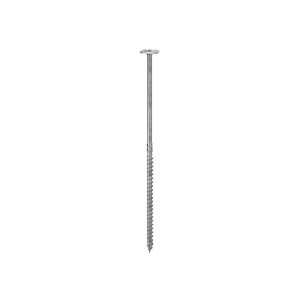
SHARP METAL is a complete system comprising the connector, screws for factory or on-site installation, and the tools and equipment required for proper fastening.
FAQ
DOES SHARP METAL REPLACE ADHESIVE BONDING IN EVERY APPLICATION?
No. SHARP METAL has lower local stiffness than a bonded connection. However, in the configurations analysed in the white paper – spans from 6 to 12 m and CLT floor structures from 60 to 120 mm – the required ribbed floor performance can still be achieved, often using the same standard timber section. Each project should be assessed individually based on its specific design configuration.
HOW MUCH EXTRA TIMBER IS NEEDED WITH SHARP METAL?
Of the 20 configurations compared in the white paper, 11 require the same standard rib depth as the bonded solution. In the remaining 9, only one additional 40 mm timber layer is needed. The average increase in timber volume is approximately 2%, with a maximum of 7%. These values apply to the configurations, materials and conditions described in the document.
WHAT DESIGN DATA IS AVAILABLE?
The connection's strength and stiffness are declared in ETA-24/0058 and can be used with the gamma method in accordance with Eurocode 5. The white paper compares the ETA mean stiffness values with two experimental datasets using FEM modelling. In general, the calculated deflections are greater than the measured values, indicating a conservative design approach.
CAN THE FLOOR STRUCTURE BE ASSEMBLED ON SITE?
The floor can be assembled either by industrial pressing or with TBS MAX screws, both off and on site, in accordance with the installation specifications. Since no adhesive is involved, there are no curing times or environmental conditions to manage during installation.