
VGS PLATE: the first verifiable and reusable screw for lifting systems
From single-use screws to reusable screws for lifting systems
In timber lifting operations, reusing screws is a common on-site practice.
The problem? No technical guidelines had ever been developed, so no one truly knew what happens to a screw after a lifting cycle.
And what about after 10? Or after 20? No one had ever verified it.
But we have. In over 350 different ways, all detailed in the white paper.
It is these studies that led to VGS PLATE: the first reusable screw for lifting systems. Tested against objective criteria and validated for repeated lifting cycles.
Why was a reusable screw needed, specifically designed for lifting systems?
Because lifting is a high-risk operation, introducing damage that otherwise doesn't occur in static applications. A screw was needed designed for inspection and traceability, with clearly defined criteria for reuse, or else disposal.
In these situations, all types of screws can suffer micro–bending of the shank, initial plastic deformation and wear of the thread or coating.
Often imperceptible to the naked eye, these phenomena can compromise the screw's ability to withstand subsequent lifting cycles. That's why standard screws used in lifting systems are considered "single-use".
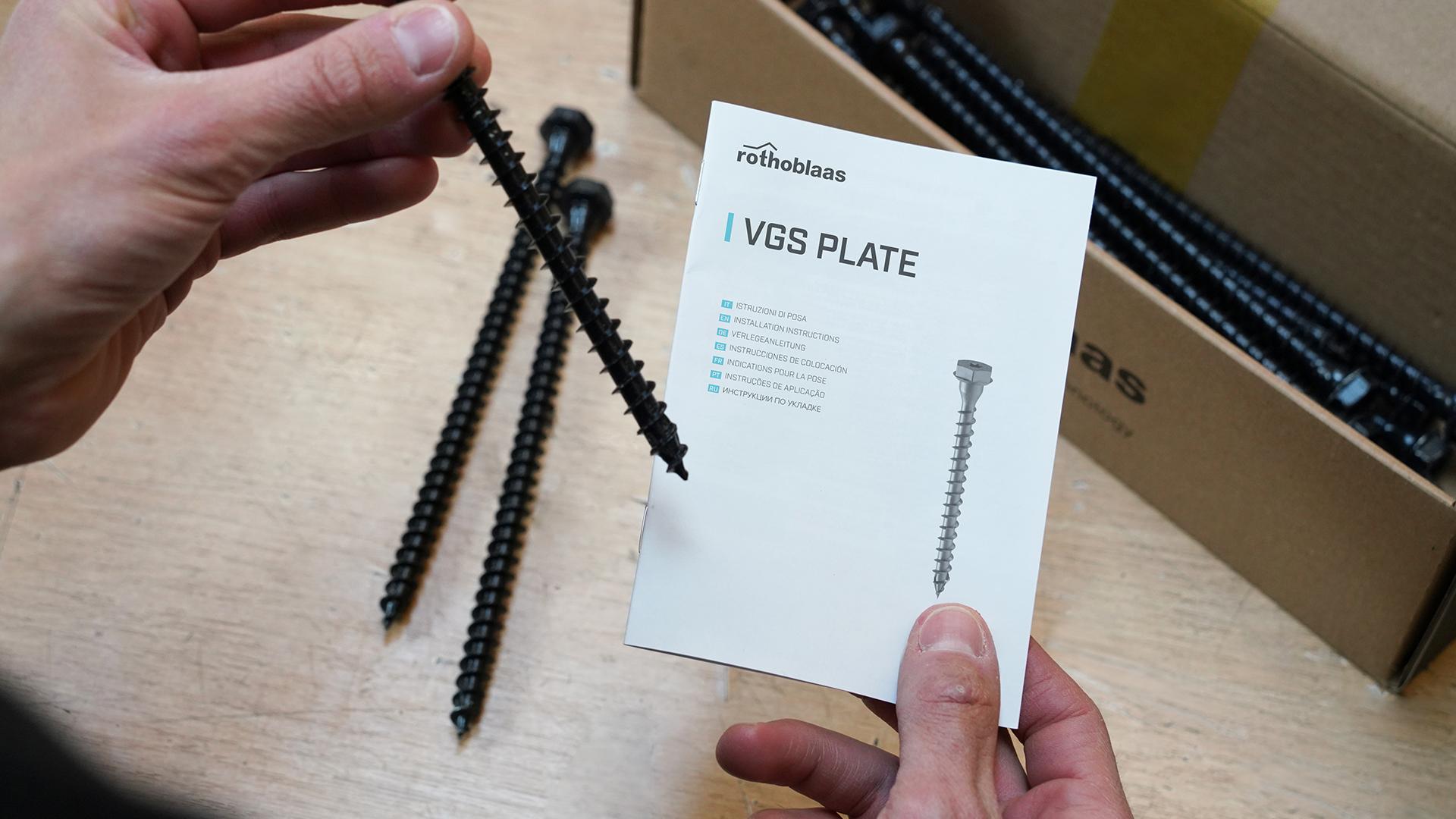
Unlike conventional screws, VGS PLATE is a reusable lifting screw that introduces a data-backed method to determine whether or not it can be safely reused.
VGS: geometry, control, reuse
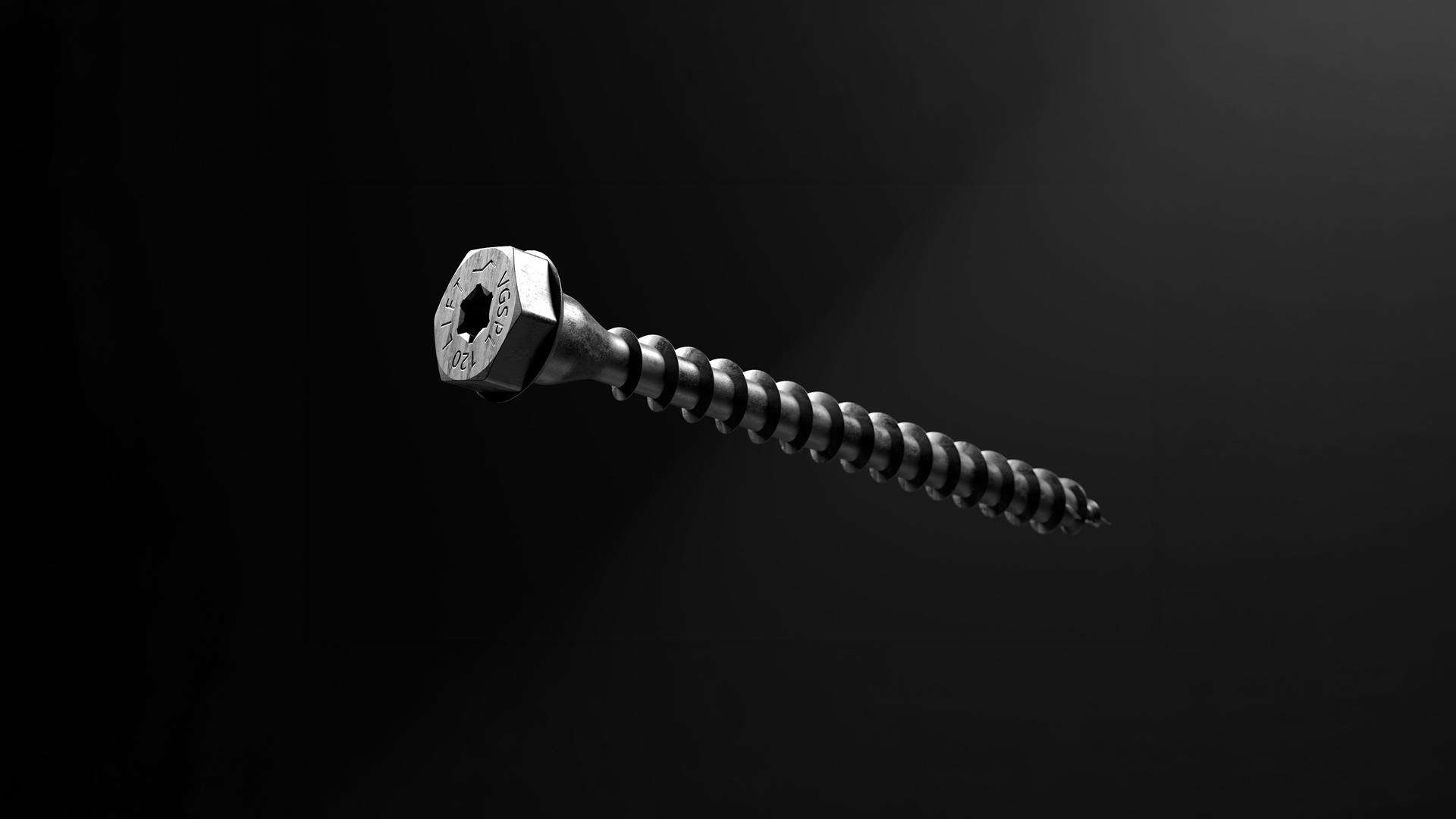
VGS PLATE is a reusable screw for lifting systems designed to simplify inspection procedures and reduce the margin for error.
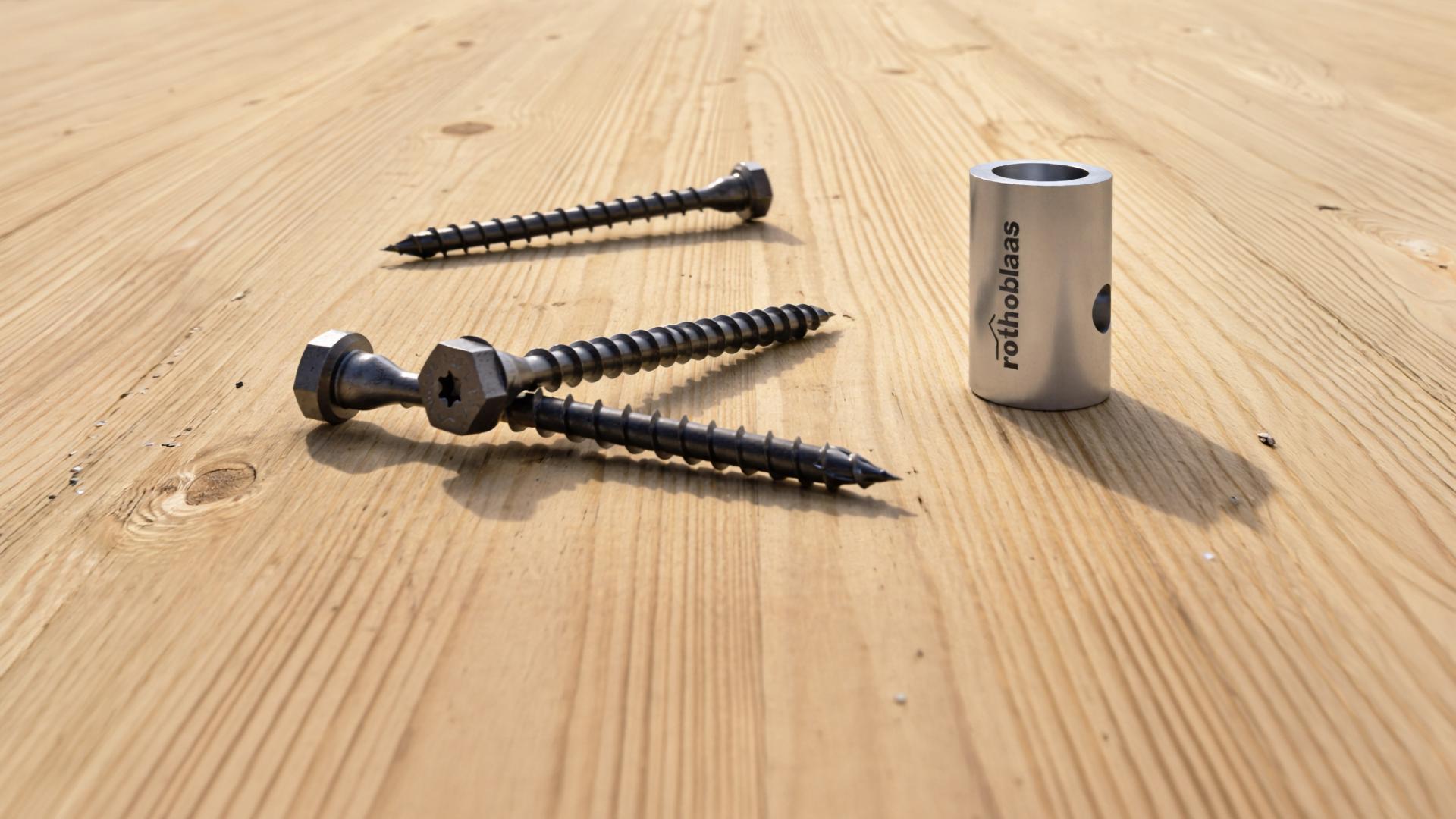
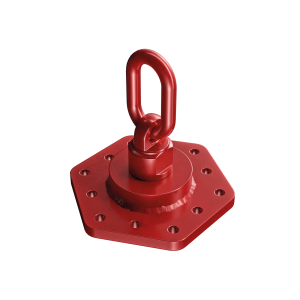
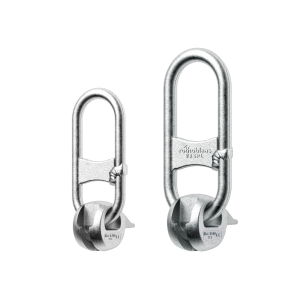
Pan hex head: compatible with all Rothoblaas screw-based transport and lifting system as WASP, WASPL, RAPTOR, RAPTOR MINI, RAPTOR MAXI.
Dual drive: TORX drive for controlled installation, hex drive for resistance to repeated tightening without damaging the head.
Verifiable reuse: the JIG REUSE jig checks straightness, wear and deformation not always visible to the naked eye.
This combination of dedicated criteria provides an objective assessment of whether or not the VGS PLATE screw is fit for reuse.
Verified reuse: safety and process
Colour coding
Reuse is only possible if the screw can be objectively inspected after the lifting operation.
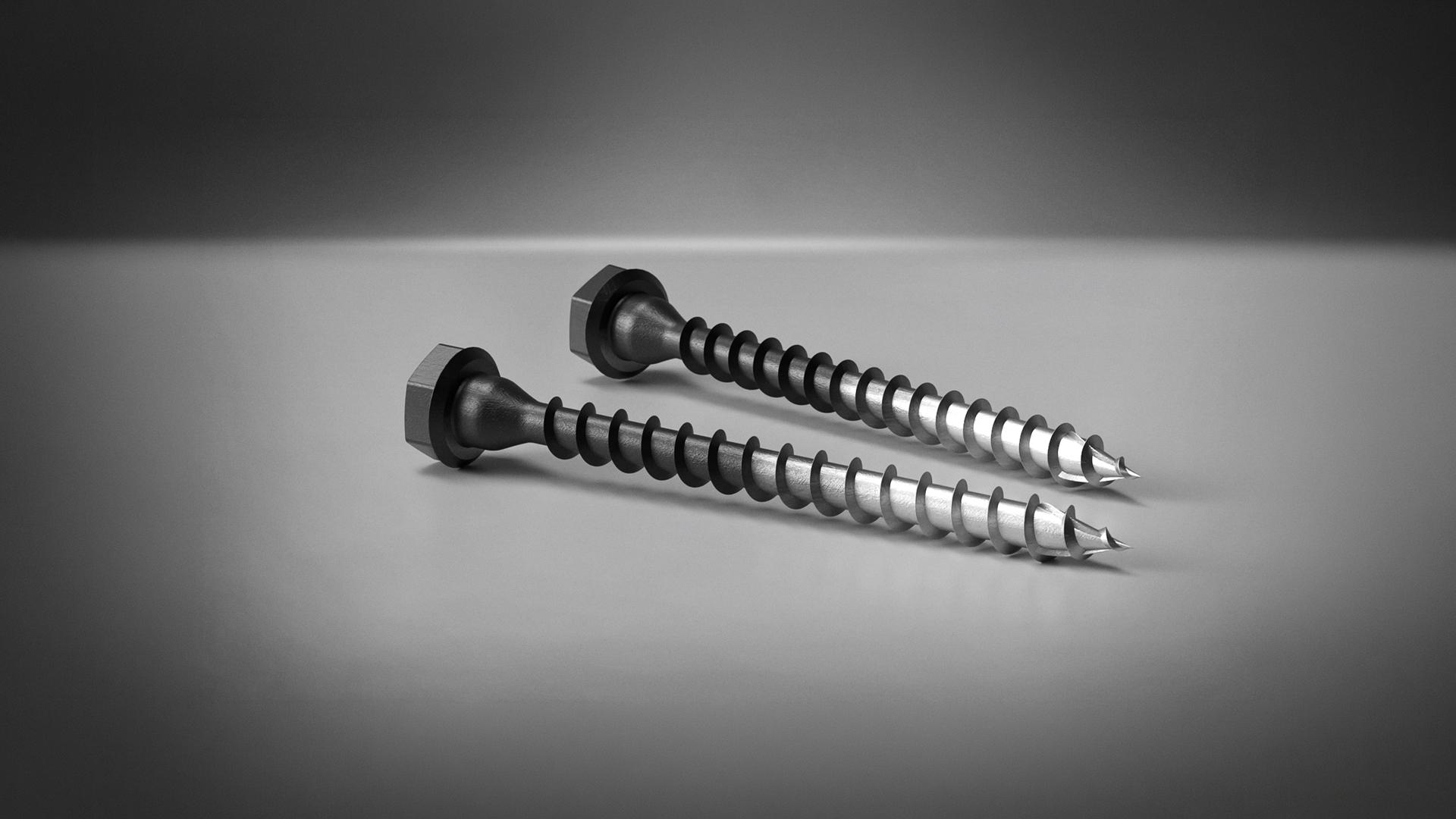
The black E‑Coating is not simply an aesthetic choice – it allows the user to:
immediately identify screws intended for lifting systems
distinguish them from unfit screws
make the screw wear clearly visible after use
Colour alone is not enough: inspection with JIG REUSE
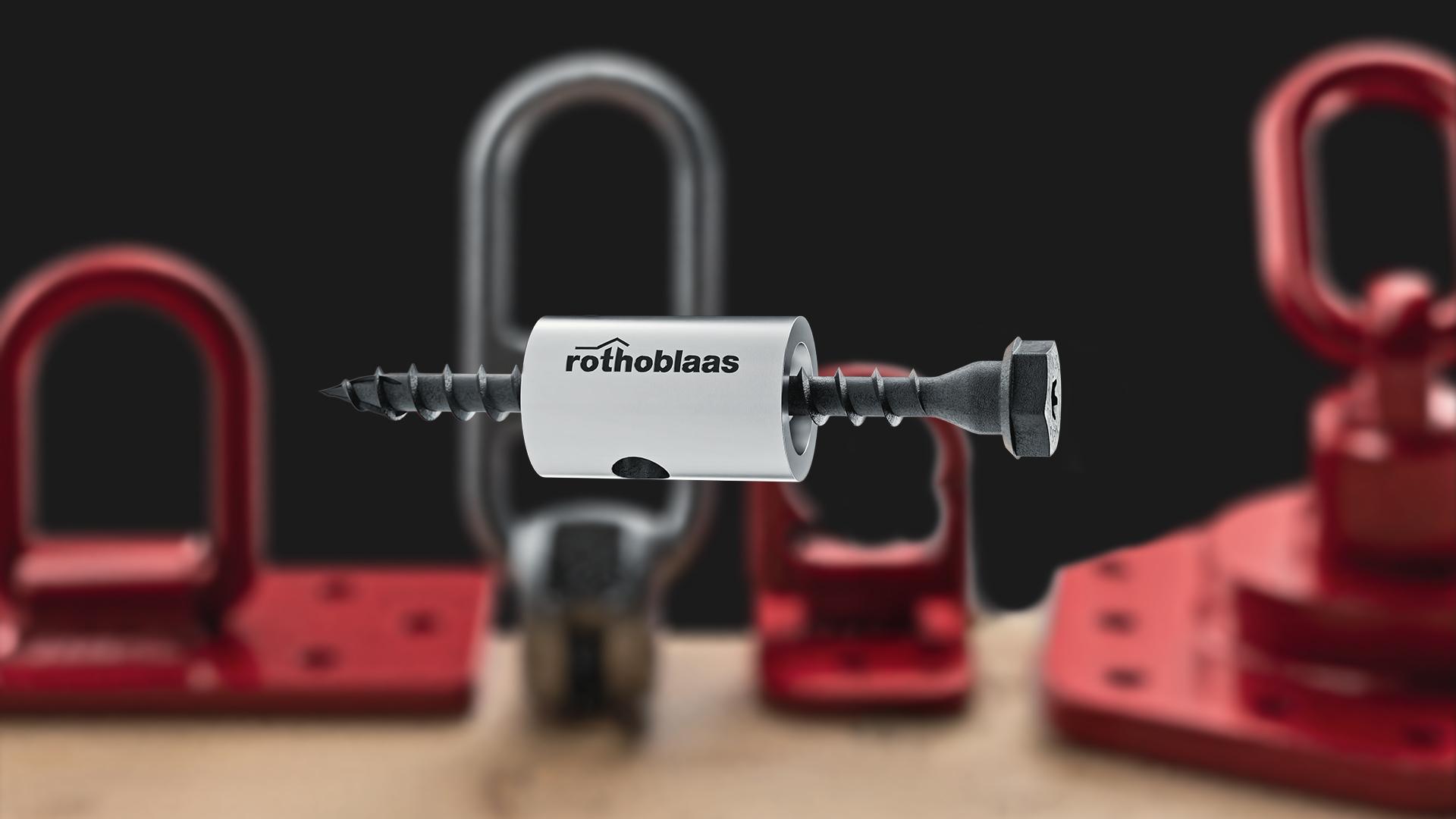
The JIG REUSE jig enables a quick check of whether or not VGS PLATE can be reused, based on objective (not purely visible) criteria.
The checks include:
shank straightness: the screw must fully enter the jig and rotate freely without friction
black coating wear: the wear area must remain completely outside the body of the JIG REUSE (for screws with L ≤ 80 mm; below the side bore of the jig)
thread integrity: the tip must not protrude from the side inspection hole
Only screws that pass all checks are fit for reuse.
Why choose VGS PLATE and Rothoblaas
Dedicated testing
Reusability has been verified through third-party testing by the University of Maine and the University of Bologna, with safety factors defined in accordance with Machinery Directive 2006/42/EC.
Structural use
VGS PLATE is suitable for permanent structural metal-to-timber connections, featuring a head designed to ensure secure coupling with plates of varying thicknesses.
Certifications
Certified in:
Europe | ETA-11/0030
United States | ESR-4546
Canada | ELC-4546
Compliance
Carbon steel with black E-Coating, suitable for:
atmospheric corrosion classes C1–C2
wood corrosion classes T1–T2
service class SC1–SC2
The screws can be reused, provided they are used correctly.
VGS PLATE delivers its full potential only when used in conjunction with the system's dedicated resources (JIG REUSE jig, White Paper, Torque Limiter, test campaign reports).
VGS PLATE and related products
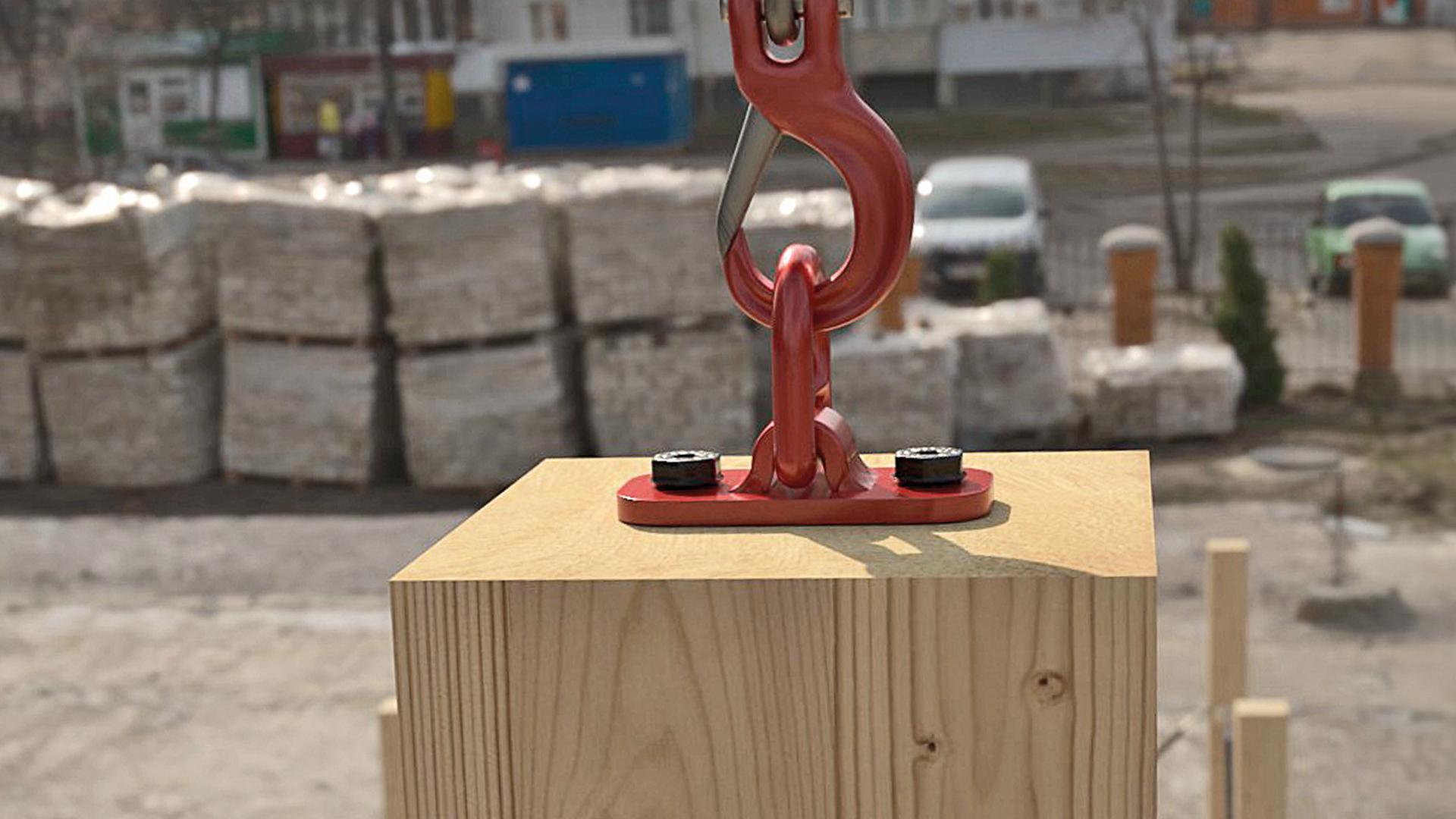
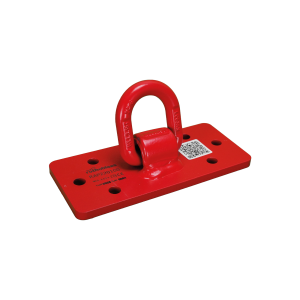
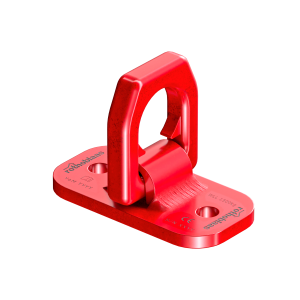
The head geometry is designed to work with all Rothoblaas lifting systems.
One screw, fewer margins for error, simpler on-site operations.
FAQ
How do I check whether a VGS PLATE screw can be reused after lifting?
Once the screw is removed from the component, it must be inspected as outlined in the manual, using the JIG REUSE jig. If the screw shows plastic deformation, excessive coating wear or thread damage, it must be discarded. If it passes all the checks for straightness, wear and integrity, it can be reused.
Is a visual inspection enough to determine whether or not a VGS PLATE screw can be reused?
No. Visual inspection only reveals the most obvious defects. To determine fitness for reuse, objective criteria and a dedicated verification tool are required: the JIG REUSE jig.
How many times can a VGS PLATE screw be reused?
There is no set limit. Each screw must be inspected after every lifting cycle and before reuse. If it passes the checks for straightness, wear and integrity, it can be reused.
What factors make a lifting plate screw unfit for reuse?
Shank deformation, thread damage, corrosion, impact marks or any abnormal wear, improper installation or excessive loads. If the installation or removal conditions are unknown, the screw must be considered unfit.
Why is tightening torque so important when deciding on reuse?
Excessive tightening torque can cause damage, which, although not necessarily visible, is enough to compromise safety during lifting operations. Controlled tightening is just as important as inspection after use.
How should traceability be managed for controlled reuse on site?
New screws should be kept separate from used ones and inspected at every cycle, before reuse. Without traceability, reuse becomes an assumption rather than a verified process.
Does reuse actually reduce costs?
Yes, but only if managed according to an efficient process. If inspection and traceability are not properly managed, any economic advantage is potentially lost, while risks to safety increase.
Reuse is effective when planned: dedicated kits, simple counts and clear rejection criteria.
Does reusability also benefit the environment?
Yes. A screw that is verified and reused generates less waste and consumes less material than single-use solutions.
An analysis by the Politecnico di Milano shows that the environmental impact per use decreases when the screw is reused multiple times, particularly during the initial cycles. Through the process verification, these benefits are also demonstrated in the LCA calculations and environmental product declarations.
Who is responsible for inspecting VGS PLATE screws?
The contractor is responsible for inspecting the screws at every cycle through their trained and expert personnel.
A third-party inspector checks that the process is being correctly applied, without checking each individual screw.
The manufacturer sets out the technical criteria and provides the documentation, but does not carry out the physical inspection.
Can I leave the screws in after lifting?
No. A VGS PLATE already used for lifting CANNOT be used for permanent timber-to-metal structural connections and, therefore, cannot be left in place.
Is VGS PLATE suitable for lifting CLT panels?
Yes. It is designed for handling elements in solid timber, CLT and LVL, with specific criteria for verifiable reuse.
In which materials can VGS PLATE be installed?
The screw is suitable for use in solid timber, CLT, LVL and hardwood with pre-drilling, in accordance with ETA‑11/0030 certification requirements
Can VGS PLATE be installed using impact drivers?
No. The use of impact drivers is not allowed. It is mandatory to use torque-controlled drivers or a TORQUE LIMITER to avoid over-tightening, which would otherwise compromise the possibility for reuse.
What is the recommended tightening torque for VGS PLATE?
For Ø11 mm screws, the recommended maximum torque is 30 Nm. Tightening must be controlled using suitable equipment to ensure the screw's correct installation.