



Earthquake-resistant timber buildings: the role of connections in diaphragm stiffness
-image-400x400-crop.jpg)
When discussing earthquake-resistant timber buildings, the focus is almost always on the structural panels. These are the most visible elements, defining the building's geometry and forming its primary load-bearing system. Yet some of the most significant findings reported in recent years tell a different story.
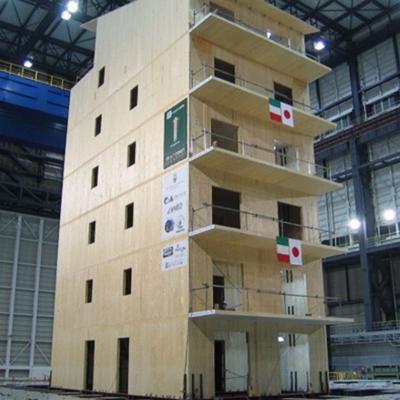
Experimental testing carried out as part of the SOFIE project¹ – in which a multi-storey CLT building was tested on a shaking table using simulations of some of the strongest earthquakes ever recorded – demonstrated that the structure's ability to respond to lateral loads depends not only on the panels themselves, but on the interaction between all the elements making up the system. In other words, during an earthquake, what makes the difference is the building's ability to behave as a box structure. And this is precisely where the concept of the rigid diaphragm comes into play.
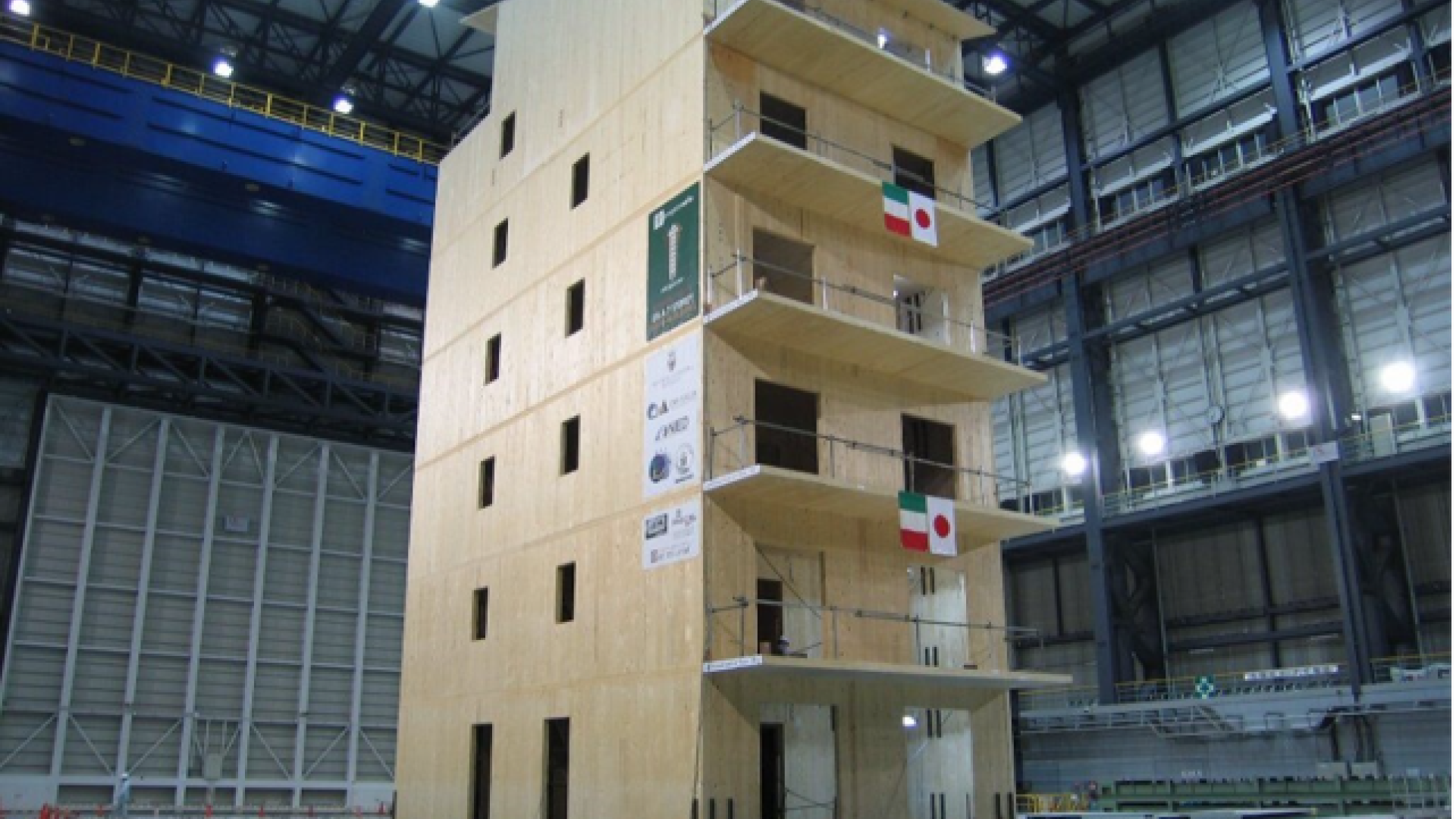
¹ SOFIE: sustainable building research project conducted by CNR-IVALSA with the support of the Autonomous Province of Trento.
Diaphragm behaviour in the seismic design of timber buildings
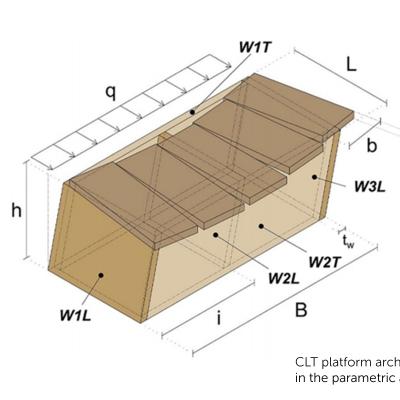
During a seismic event, the building mass generates inertial forces that must be transferred to the lateral load-resisting walls. This task is performed by the floors, which act as horizontal diaphragms, distributing the forces evenly to the bracing structures. When the diaphragm has adequate in-plane stiffness, the forces are distributed to the walls according to their relative stiffness. The result is a more efficient distribution of seismic forces, improved structural interaction and a reduction in localised deformations.
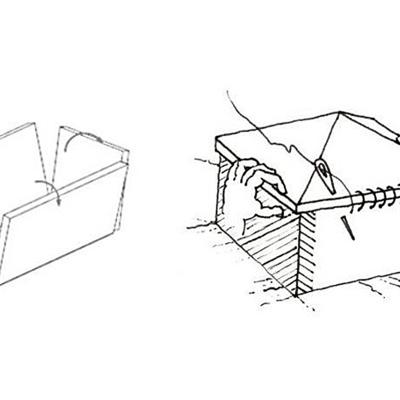
This is the principle underlying the so-called box behaviour, one of the fundamental objectives of seismic design. The more effectively the floor behaves as a continuous, rigid element, the more the building responds as a unified structural system.
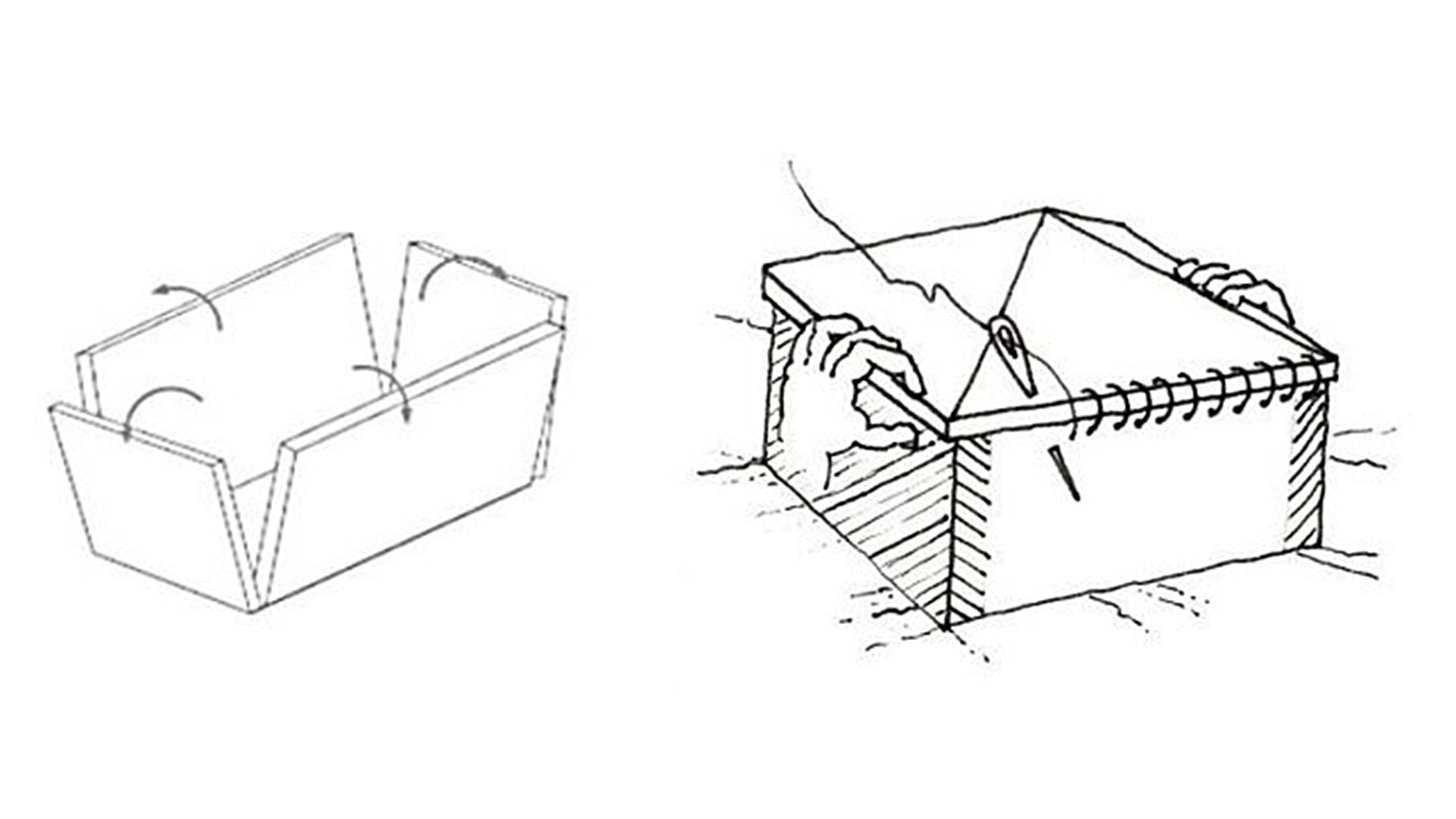
Grazzini Alessandro (2025) Effetti dell'assenza o del raggiungimento del comportamento scatolare negli edifici in muratura - Ingenio
Why diaphragm stiffness depends on more than the CLT panel
When discussing CLT buildings, diaphragm stiffness is often associated with the mechanical properties of the panel. In reality, recent research has shown that the panel's contribution is only part of the equation. In-plane floor deformations largely depend on the connections between panels and on the connections between the diaphragm and the walls. In many cases, the deformability introduced by the connections has a greater influence than that of the panel itself. This means that diaphragm stiffness is not simply a material property, but a property of the structural system as a whole. Changing the connection, while keeping the panel and floor geometry unchanged, can significantly alter the overall behaviour of the structure.
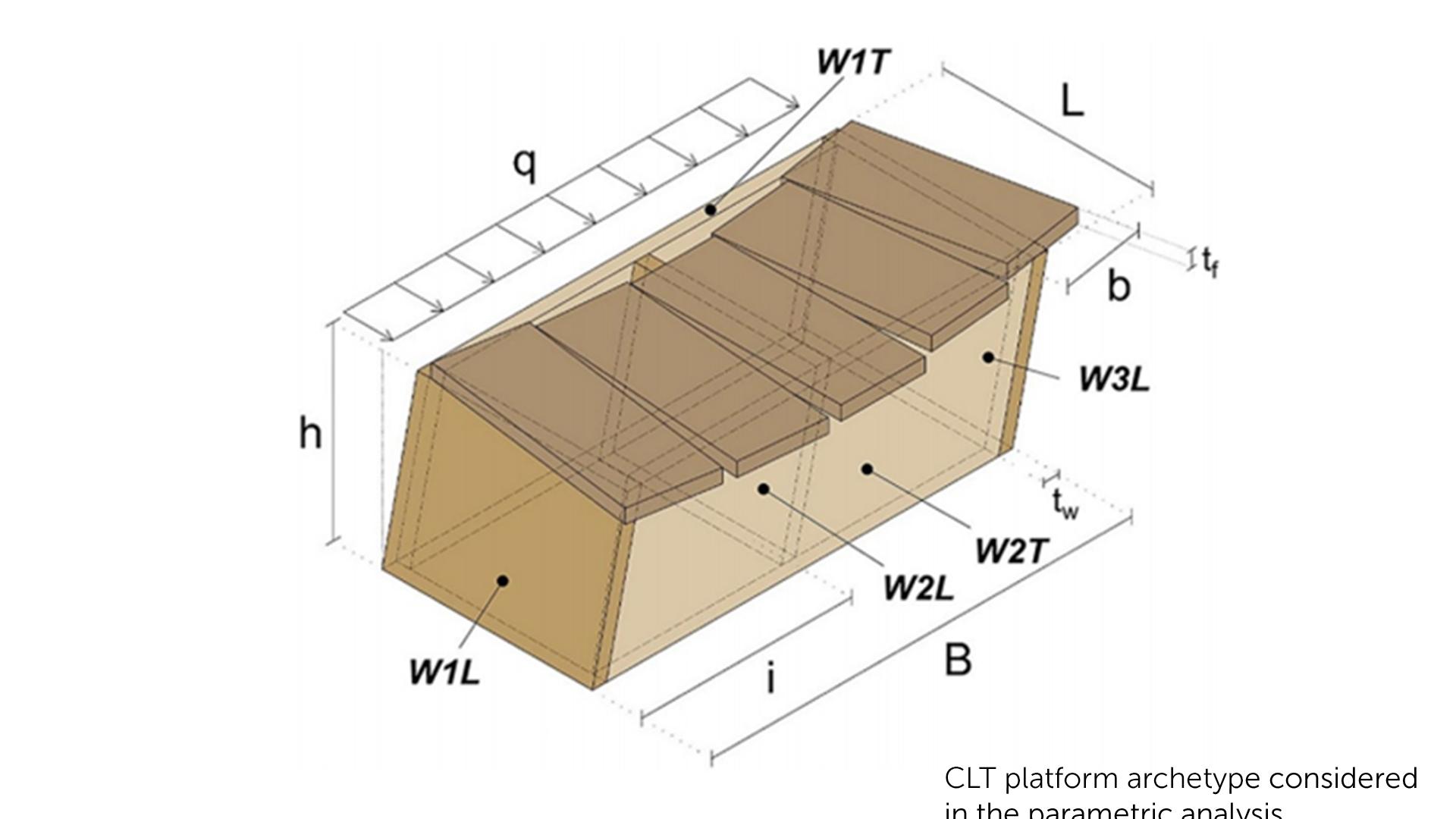
D'Arenzo Giuseppe, Rigo Pietro, Nicolussi Valentino, Pozza Luca, Casagrande Daniele (2024) Characterisation of the rigid diaphragm conditions for cross laminated timber floors. Bulletin of Earthquake Engineering.
Structural connections and the seismic behaviour of CLT floors
The choice of connections therefore plays a decisive role. Traditional shear screw connections, such as those made using HBS screws, are a simple and widely used solution. However, the deformability of cylindrical-shank connectors subjected to shear stress is relatively high, and achieving stiffness levels compatible with the rigid diaphragm assumption often requires closer spacing and a greater number of fasteners, with obvious implications for installation time. The design objective therefore becomes to identify systems that efficiently transfer lateral loads while limiting deformation and providing sufficient in-plane stiffness.
High-stiffness connections for earthquake-resistant timber buildings
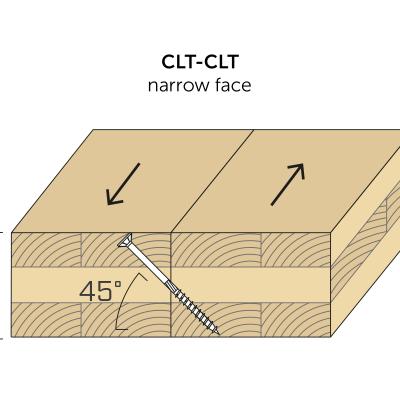
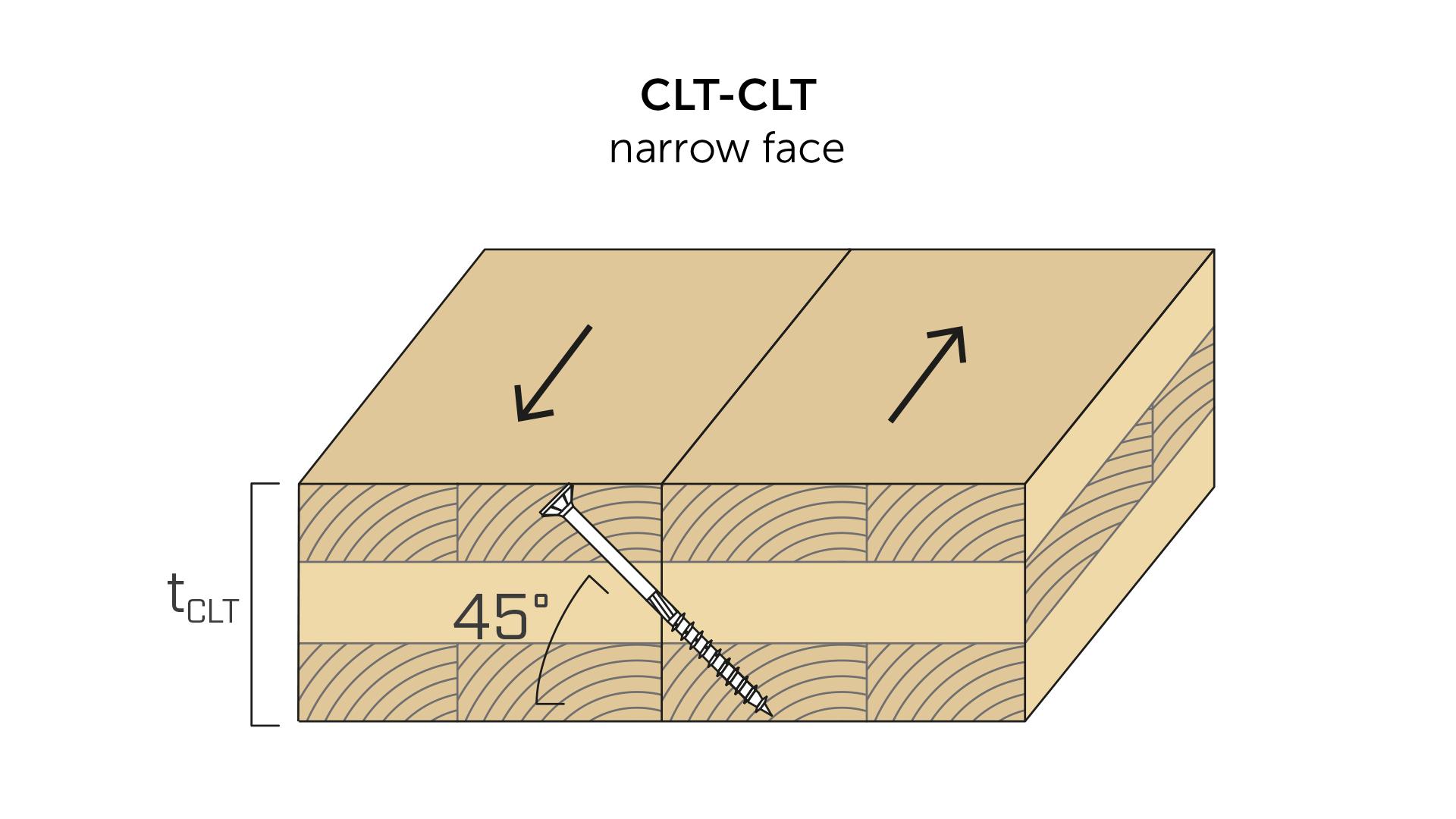
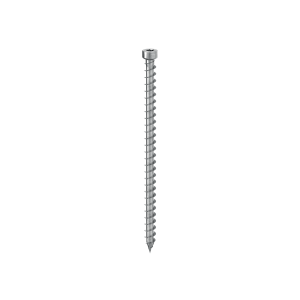
One of the most effective strategies is to exploit the axial stiffness of screws rather than their shear behaviour. This is the principle behind connections using VGZ screws installed in a crossed configuration (at 45° in opposite directions). Installed as such, the connection mobilises the thread pull-out strength, achieving stiffness levels significantly higher than those of conventional connections. The same principle underpins the development of systems specifically designed to increase diaphragm stiffness.
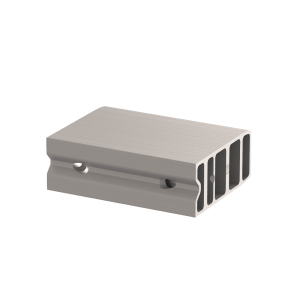
SLOT, for example, connects CLT panels using a contact-based mechanism. Thanks to their high stiffness, the number of connections required can be drastically reduced, significantly speeding up assembly.
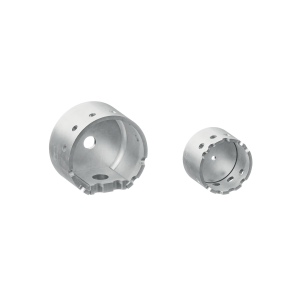
The same logic applies to RING, which is designed to transfer high loads between timber elements while maintaining an exceptionally stiff response. This solution is particularly well suited to advanced prefabrication, where components are delivered on site ready for rapid assembly. In all these cases, the benefit is not merely local. By improving the performance of the connection, the performance of the diaphragm as a whole is also improved.
Seismic retrofitting for existing buildings: the role of the diaphragm
The need to ensure effective box behaviour is not limited to newly constructed multi-storey buildings. In seismic retrofitting projects for existing buildings, particularly masonry structures, the floor is often one of the most critical elements. Many historic buildings have floor structures that are unable to effectively transfer lateral loads to the load-bearing walls. In these cases, increasing diaphragm stiffness improves the overall structural response of the building.
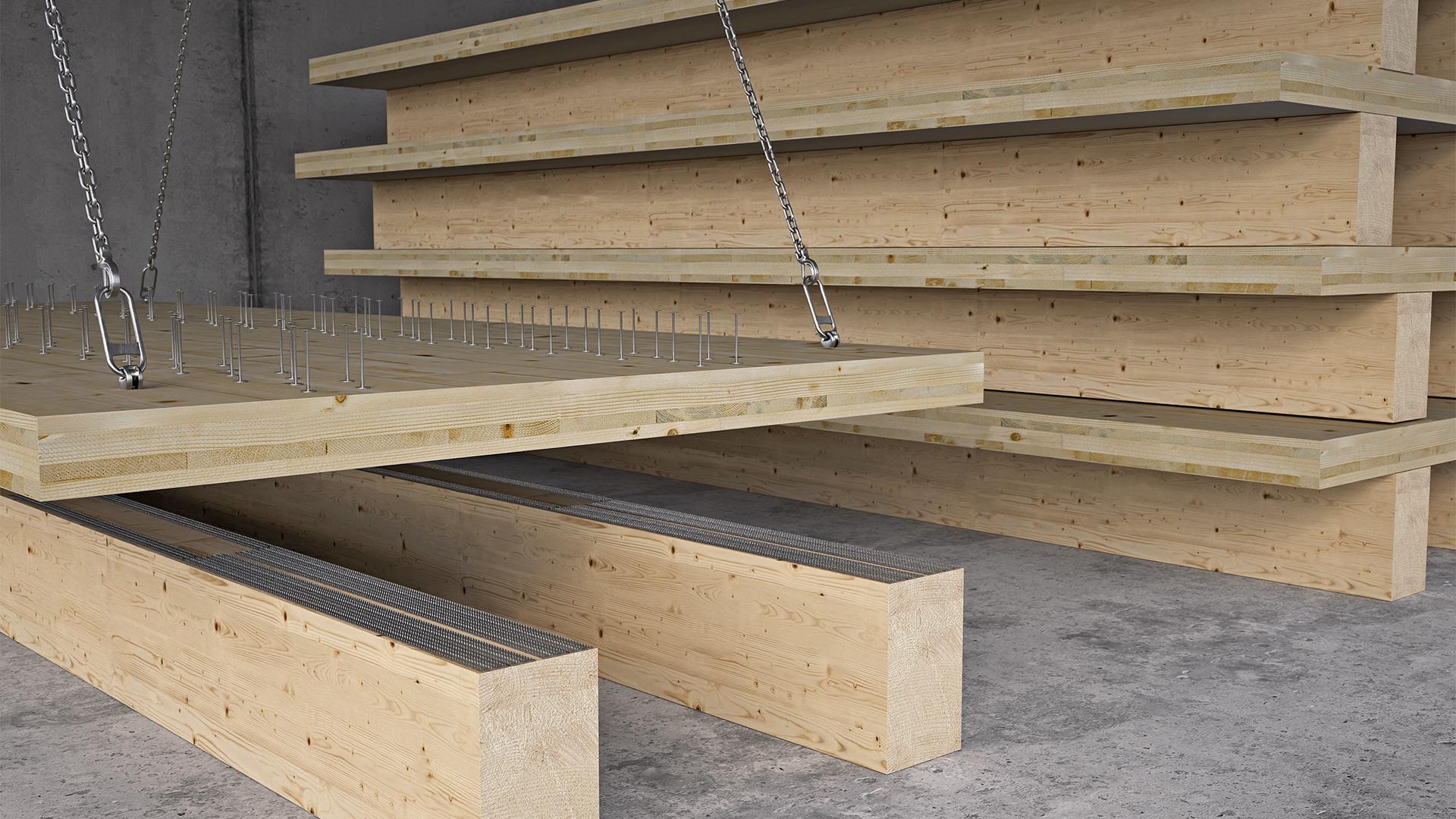
One of the most well-established solutions is the timber-concrete composite floor. Using connectors such as CTC, the timber and concrete act compositely, increasing stiffness, load-bearing capacity, the ability to distribute lateral loads, and the box behaviour of the building.
Alongside this, fully dry technologies such as SHARP METAL are emerging, enabling highly efficient connections between timber elements without the need for concrete casting, while retaining all the advantages of prefabrication and dry construction.
Designing the diaphragm means designing the connections
The latest research points to a clear conclusion: as connection stiffness increases, the behaviour of the floor progressively approaches that of a rigid diaphragm. For designers, this fundamentally changes the perspective.
Connections are therefore not simply construction details to be defined during the final stages of the design process. They are the elements that enable forces to pass through the building, from one panel to the next, until they reach the lateral load-resisting walls. They are what transform a series of independent structural elements into a single structural system capable of responding to seismic forces. For this reason, when considering box behaviour, the question is not simply how stiff a panel is. The real question is how effectively the connections enable all the structural elements to work together.
Designing diaphragms requires an integrated assessment of the panels, the connections and the overall structural behaviour. To learn more about the role of connections in timber construction, consult the technical data sheets and design documentation available on our official website.
All rights reserved